
Your team is at work. Their mind is on EMIs.
Financial wellness program for employees
Money worries cost you focus, productivity and good people. S9 runs 90-minute financial literacy workshops at your office, led by CFP professionals, so your employees spend less time worrying about money and more time on work.
Chosen by HR teams at L&T · DRDO · Roquette · Convergys
Money stress walks into office every morning
A salary hike fixes one month. Money habits fix the rest of the year. Indian surveys have pointed to the same problem for a decade, and employers now rank financial well-being among their benefits priorities.
of Indian employees said they spend work time thinking about personal money issues.
PNB MetLife Employee Benefits Trend Study by Nielsen, 2,432 employees, reported 2015.said financial problems made them less effective at work.
Willis Towers Watson Global Benefits Attitudes Survey, India, 2,003 employees, reported 2016.of Indian organisations named expanding financial well-being programmes as a priority.
ADP, Future of Pay in India 2025, 300+ HR, payroll and finance leaders.Fewer payroll questions
Employees who understand the old and new tax regimes, and what they’re declaring, send fewer last-minute queries to payroll at proof-submission time.
A benefit people notice
Most people never get a straight explanation of their own money from someone who isn’t selling anything in the room. That session gets remembered.
Retention you can feel
A company that helps with life outside work is easier to stay at. The session fits naturally into an “employee first” culture and your wellness calendar.
What is an Investor Awareness Program for employees?
An Investor Awareness Program (IAP) is a financial literacy workshop held inside your company. In one to two hours, employees learn how to manage income, expenses, assets and loans, how to plan for goals like a home, a child’s education and retirement, and how to avoid the money mistakes most salaried people make.
The content starts general, so it works for a mixed room of freshers, managers and people close to retirement. If your team needs more depth on one subject, such as tax or retirement, we build the session around it.
Ask for a sample agenda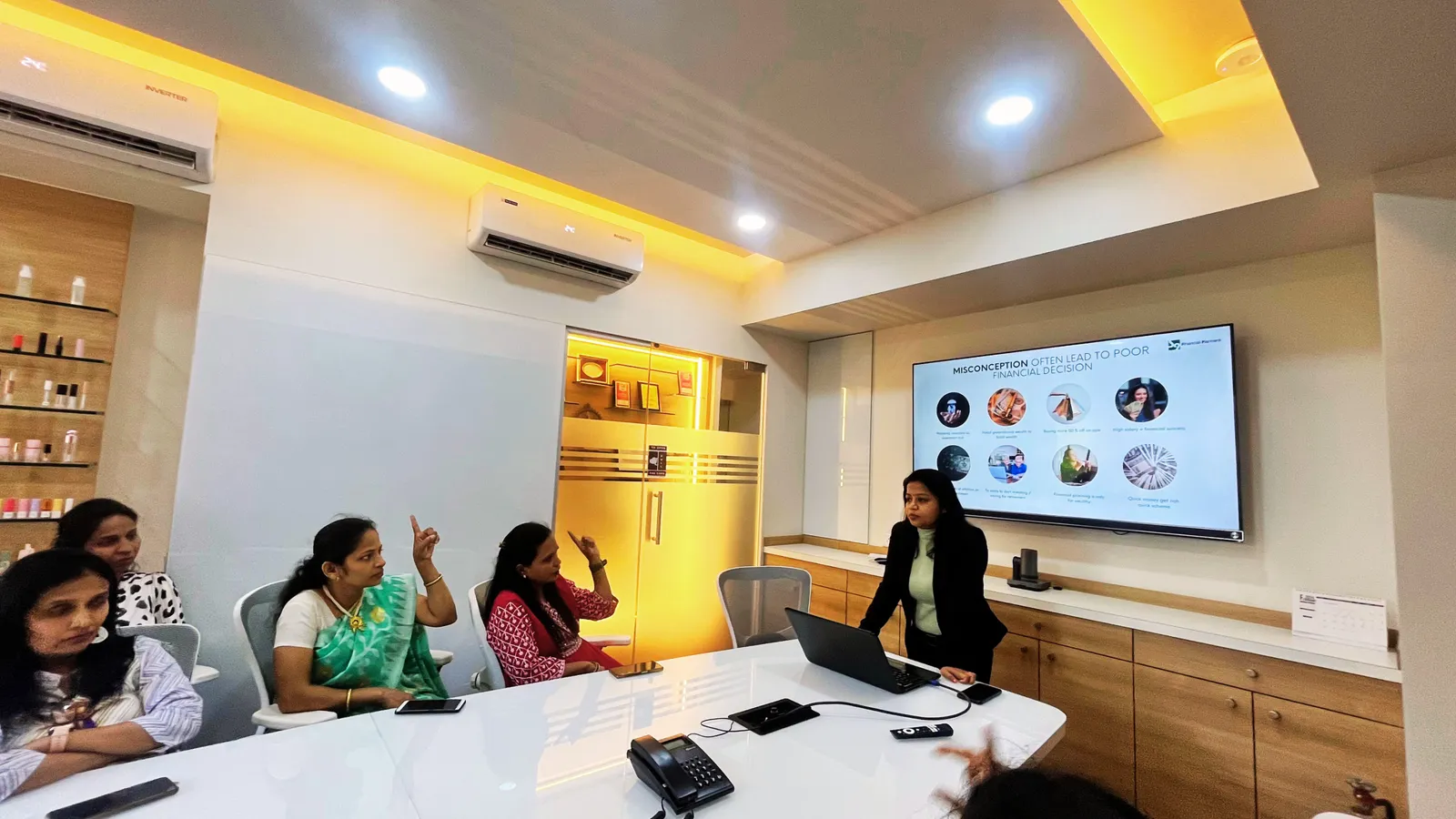
Workshops we run for companies
Every session draws on the same core topics: financial wellness basics, goal-based planning, inflation and taxation, saving versus investing, diversification, retirement, alternative investments, budgeting and behavioural biases.
A typical 90-minute session
- 0–15 MINWhat does personal finance mean to you?Why most people struggle, and the beliefs behind it: insurance as an investment, “a high salary means I’m fine”, “I’ll start investing later”, quick-money schemes.
- 15–35 MINProtection firstHow big an emergency fund should be, how to build one, and what life and health insurance are really for.
- 35–50 MINSaving, spending and loansNeeds versus wants, why “save what’s left” leaves nothing, and when a personal loan, credit card, gold, car or home loan helps or hurts.
- 50–70 MINInvesting and asset allocationDiversifying across asset classes, matching investments to goals, and the real cost of waiting ten years to start.
- 70–90 MINOpen Q&AThe questions employees bring: tax regimes, an old policy they’re stuck with, a loan they want to close, a parent’s retirement.
How big should your emergency fund be?
If you earn ₹30,000 a month and ₹15,000 goes on routine living costs, your emergency fund should be somewhere between ₹60,000 and ₹1,00,000, roughly four to seven months of those costs.
Build it with a fixed monthly amount, add bonuses, tax refunds and gifts to it, and cut one non-essential expense until it’s done.
This is the level the session works at: real rupee figures your employees can apply the same evening.
Where we’ve conducted workshops
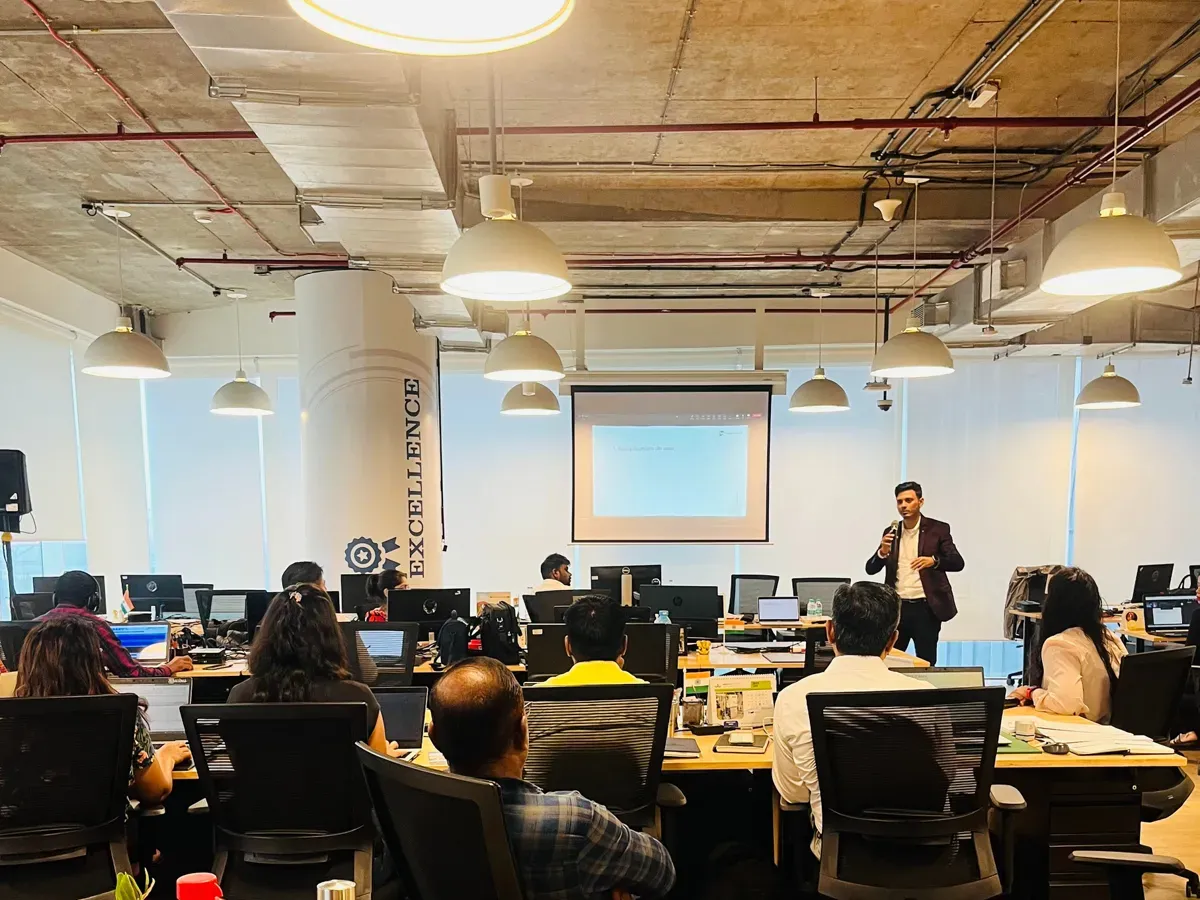
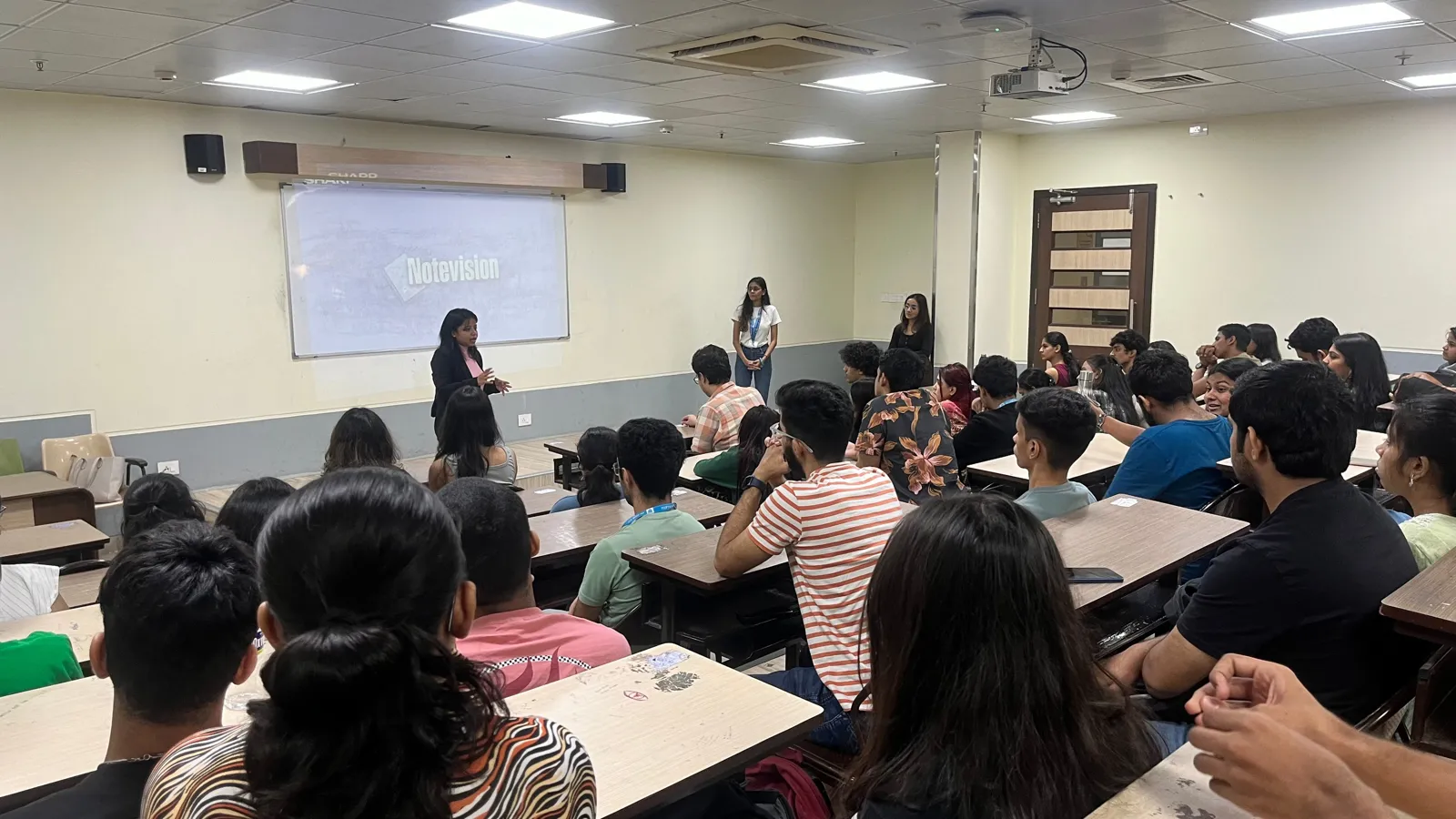
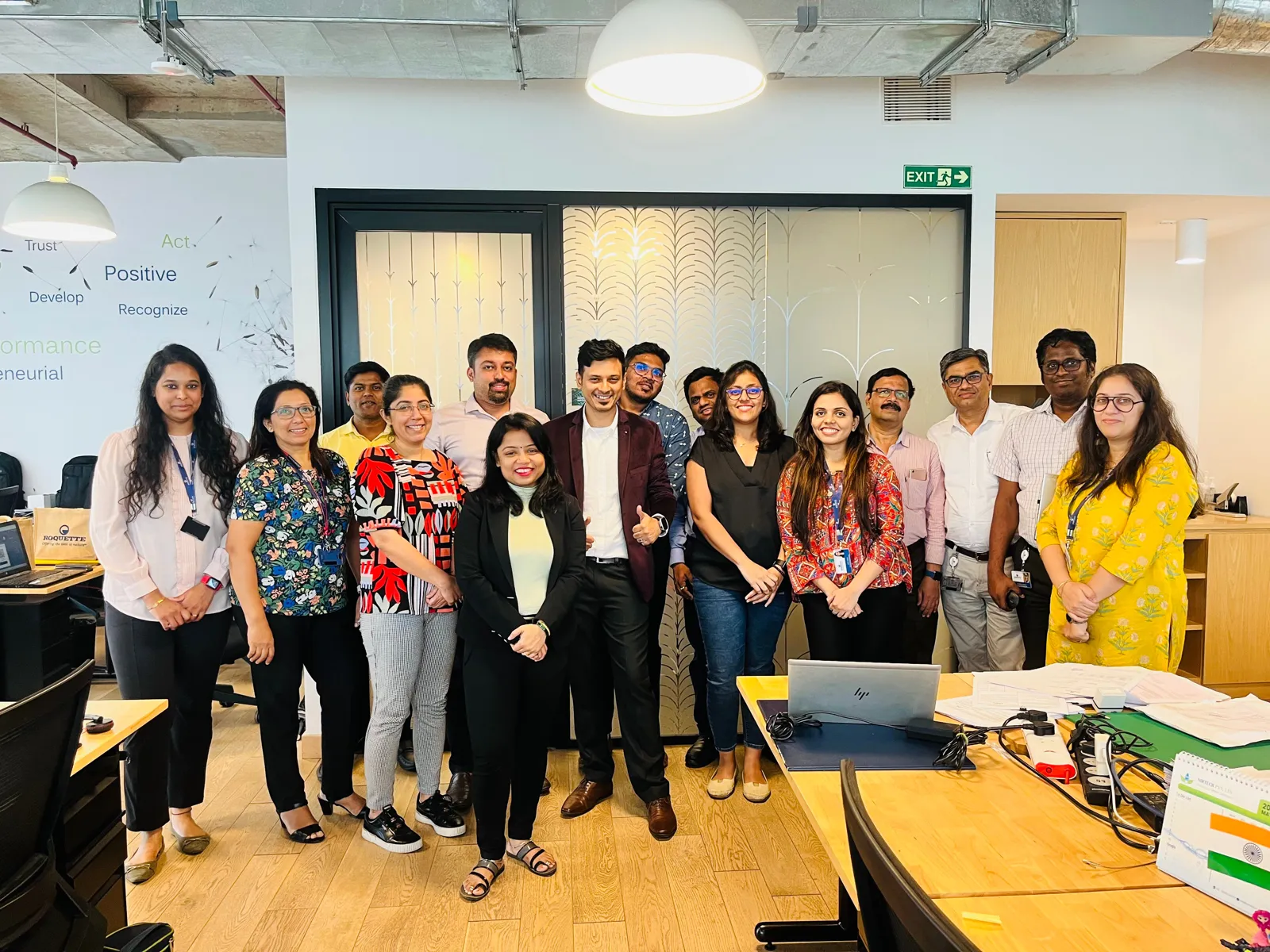
From engineering majors and multinational manufacturers to government departments and colleges, our coaches have run sessions for audiences of every kind.
Corporates & MNCs
- Larsen & Toubro
- Roquette
- Convergys
- Systematic Group
- HEM Corporation
- BlueCross Laboratories
SMEs & growing companies
- Alkam Licence Products
- Maxima Solutions
- Beratung
Government & education
- Income Tax Department
- DRDO
- SIES
- SNDT College
- GNVS Institute of Management
How we run it with your HR team
Brief
A short call to understand your team: size, age mix, roles, and any money concerns you already hear about.
Tailor
We pick the session and adjust examples to your audience, whether that’s a plant floor, a sales team or a tech office.
Deliver
A 1–2 hour interactive session at your venue, with plenty of time for questions. Attendees scan a QR code to share feedback.
Follow up
Employees who want personal help can book a one-on-one meeting with our team afterwards to work through their own situation.
When companies schedule it
| When | Why it works | Session that fits |
|---|---|---|
| January–February | Employees are choosing a tax regime and gathering investment proofs for payroll. | Tax planning session |
| February | The RBI runs its Financial Literacy Week every February, a natural hook for an internal event. | Money basics |
| March (Women’s Day) | A practical session lands better than a generic celebration. | Women and money |
| April–June | Appraisals and bonuses arrive, and that money is easiest to plan before it’s spent. | Investing beyond FDs |
| Onboarding batches | Freshers receive their first salary within weeks of joining. | Your first salary |
| Any quarter | Long-serving staff approaching retirement need time to prepare. | Pre-retirement workshop |
What your employees walk away with
- A clear picture of their income, expenses, assets and liabilities
- A target size for their emergency fund and a way to build it
- An idea of whether their life and health cover is enough
- A way to tell a good loan from a bad one
- A simple goal list with rough timelines
- Answers to the questions they were embarrassed to ask
Financial wellness workshop FAQs
How long is a session?
One to two hours, including Q&A. A 90-minute session suits most teams, and topic sessions can follow later in the year.
Where do you run sessions?
At your office, plant, campus or event venue across Mumbai, Thane and Navi Mumbai. Ask us about other cities and online sessions for distributed teams.
Who should attend?
Anyone on payroll. We adjust the depth to the room, from first-salary freshers to senior staff planning retirement. For very mixed groups, we suggest separate sessions by life stage.
Will employees be sold products during the session?
No. The session is educational and does not recommend specific schemes or policies. Employees who want personal help can book a separate one-on-one meeting afterwards.
Is employees’ personal information shared with the company?
No. Questions raised in one-on-one follow-ups stay between the employee and our team.
Can the session be in Hindi or Marathi?
Tell us the languages your team is comfortable with when you enquire, and we’ll plan the session around them.
What do you need from us?
A room with a projector, an approximate headcount, two or three preferred dates, and 15 minutes for a briefing call.
How do we book?
Fill in the enquiry form on this page and we will reply within one working day with a suggested session and agenda. You can also call +91 81696 91811 or email reach@s9financialplanners.com.
Plan a session for your team
Only your name and phone are required; the rest helps us prepare. We’ll reply within one working day with a suggested session, agenda and dates.
Thank you. Your enquiry has reached us and we’ll reply within one working day.
Emailreach@s9financialplanners.com
Office825, Ecstasy Business Park, Opp. City of Joy, JSD Road, Ashok Nagar, Mulund West, Mumbai 400080
What happens nextA 15-minute briefing call, then a proposal with the session, agenda and dates.
Investor Awareness Programs are educational sessions and are not investment advice or a recommendation of any product. Organisation names are listed to show where sessions have been held and do not imply endorsement. Survey figures are from the sources and years named beside them.